
Uncategorized
Steroid Injection Near Me
Sep
A Complete Guide to Finding Safe and Effective Steroid Injection Near Me
Disclaimer: The information provided in this article is for educational purposes only and does not constitute medical advice. Always consult with a qualified healthcare professional for diagnosis and treatment.
If you are dealing with persistent joint pain, inflammation, or a nagging injury that simply won’t heal, you may be searching for “steroid injection near me.” Corticosteroid injections are a common and effective treatment for a variety of musculoskeletal conditions, offering targeted relief when other methods like rest, ice, or oral medications fail. This guide will walk you through what these injections are, the conditions they treat, what to expect during the procedure, and how to find a qualified provider in your area.
What Is a Steroid Injection?
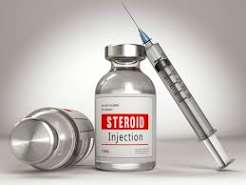
A steroid injection, often called a cortisone shot, is a procedure where a healthcare provider injects a corticosteroid medication directly into a specific area of your body experiencing inflammation. Corticosteroids are powerful anti-inflammatory drugs that mimic cortisol, a hormone your body naturally produces. Unlike anabolic steroids used illegally by some athletes, these medications are designed to reduce swelling and pain, not build muscle.
The primary goal of a steroid injection is to deliver a concentrated dose of medication directly to the problem site, minimizing systemic side effects while maximizing local relief. While the medication can eventually circulate through your bloodstream, the local effect is the most significant.
Common Conditions Treated with Steroid Injections
Steroid injections are versatile and can treat inflammation in joints, tendons, bursae, and even around spinal nerves. Some of the most common conditions that may benefit from this treatment include:
- Arthritis: Particularly osteoarthritis, where joint inflammation causes pain and stiffness.
- Bursitis: Inflammation of the fluid-filled sacs that cushion your joints, commonly affecting the shoulder, hip, and knee.
- Tendonitis: Inflammation of tendons, such as tennis elbow or Achilles tendonitis.
- Carpal Tunnel Syndrome: Injections into the wrist can provide temporary relief from nerve compression.
- Spinal Conditions: Epidural steroid injections are used for radiculopathy (nerve pain radiating down arms or legs), herniated discs, sciatica, and spinal stenosis.
- Trigger Finger: A condition where a finger gets stuck in a bent position, often treated with corticosteroid injections.
- Alopecia Areata: In some cases, local steroid injections are used to promote hair growth in patchy hair loss.
What Happens During a Steroid Injection?
The procedure is typically quick, often taking less than 10 to 20 minutes, and is usually performed in a doctor’s office or an outpatient clinic.
Before the Injection
Your provider will review your medical history, current medications (especially blood thinners like warfarin or Plavix), and any allergies. If you have diabetes, you should inform your provider, as steroids can temporarily raise blood sugar levels. You may be asked to arrange for someone to drive you home, especially if the injection involves the spine or if you receive sedation.
The Procedure
- Positioning and Cleaning: You will be positioned comfortably, and the injection site will be thoroughly cleaned with an antiseptic.
- Numbing: Your provider may apply a local anesthetic to numb the skin, which can cause a brief stinging or burning sensation lasting a few seconds.
- Injection: Using a thin needle, the provider will inject the steroid medication into the targeted area. For certain joints like the hip, knee, or shoulder, or for spinal injections, ultrasound or X-ray (fluoroscopy) guidance is often used to ensure precise placement.
- Aftercare: You will likely be monitored for a short time (15-30 minutes) before being discharged.
Benefits and Side Effects
Potential Benefits
- Targeted Pain Relief: Directly reduces inflammation at the source.
- Rapid Onset: Pain relief from the numbing agent can be immediate, while the steroid effect typically kicks in within a few days.
- Non-Surgical Option: Can delay or prevent the need for surgery in some cases.
- Improved Function: Helps you participate more fully in physical therapy and daily activities.
Common Side Effects
Most side effects are mild and temporary:
- Pain or Swelling: A temporary increase in soreness or swelling at the injection site is common.
- Bruising: Minor bruising can occur.
- Facial Flushing: A temporary reddening of the face.
- Elevated Blood Sugar: Diabetics should monitor their levels closely for several days.
- Skin Changes: Skin lightening or a small dimple at the injection site can occur, though this is rare.
Serious Risks (Rare)
- Infection: Though rare (approximately 1 in 300 for joint injections), an infection at the site requires prompt medical attention.
- Tendon Rupture: Repeated injections into the same tendon can weaken it.
- Nerve Damage: Rare, but a risk with spinal injections.
- Osteoporosis: Long-term, frequent use of steroids can lead to bone loss.
Important: You should not receive a steroid injection if you have an active infection in or near the injection site.
How to Find a Qualified Provider for Steroid Injection Near Me
Finding the right specialist is crucial for a safe and effective outcome. Here are the types of providers who commonly administer these injections:
- Orthopedists: Specialize in bone and joint conditions.
- Pain Management Specialists: Often handle spinal and complex pain cases.
- Rheumatologists: Treat autoimmune and inflammatory conditions.
- Sports Medicine Physicians: Focus on injuries related to athletic activity.
- Radiologists: Perform image-guided injections.
- Primary Care Physicians: May perform simple joint or bursa injections in their office.
Tips for Your Search
- Get a Referral: Many specialists, especially for spinal injections, require a referral from your primary care doctor or another specialist. Some clinics, however, offer self-referral for joint injections.
- Check Credentials: Look for board-certified physicians with experience in your specific condition.
- Ask About Guidance: For difficult-to-reach areas, ask if the provider uses ultrasound or X-ray guidance for precision.
- Verify Insurance: Confirm that the provider accepts your insurance plan to avoid unexpected costs.
Frequently Asked Questions
Q: How long does a steroid injection last?
A: Relief can last from several weeks to several months, sometimes up to a year for conditions like bursitis. The duration varies based on the condition, the specific joint, and your individual response.
Q: Can I get multiple steroid injections?
A: Yes, but there are limits. Providers typically recommend no more than 3 to 4 injections per year into the same joint to avoid tissue damage and other side effects.
Q: Does the injection hurt?
A: You may feel a sting from the needle and some pressure during the injection, but it is generally not intensely painful. The numbing medicine helps minimize discomfort.
Q: Will I need to rest after the injection?
A: Yes. It is usually recommended to rest the treated area for 24 to 48 hours and avoid strenuous activity for about a week to allow the medication to work and prevent complications.
Conclusion
A steroid injection can be a highly effective tool for managing localized inflammation and pain when other conservative treatments are not enough. By understanding the procedure, knowing the risks, and carefully selecting a qualified provider, you can take an informed step toward finding relief. Use the search term “steroid injection near me” wisely, prioritizing credentials and personalized care over convenience.
